Case Study
Swiftly.co.nz
Creating 1,200+ online stores for small local businesses that earned over $700K NZD during the 2020 COVID lockdown
Role
Designer, Frontend Developer
Period
March 2020 → February 2023
Categories
About
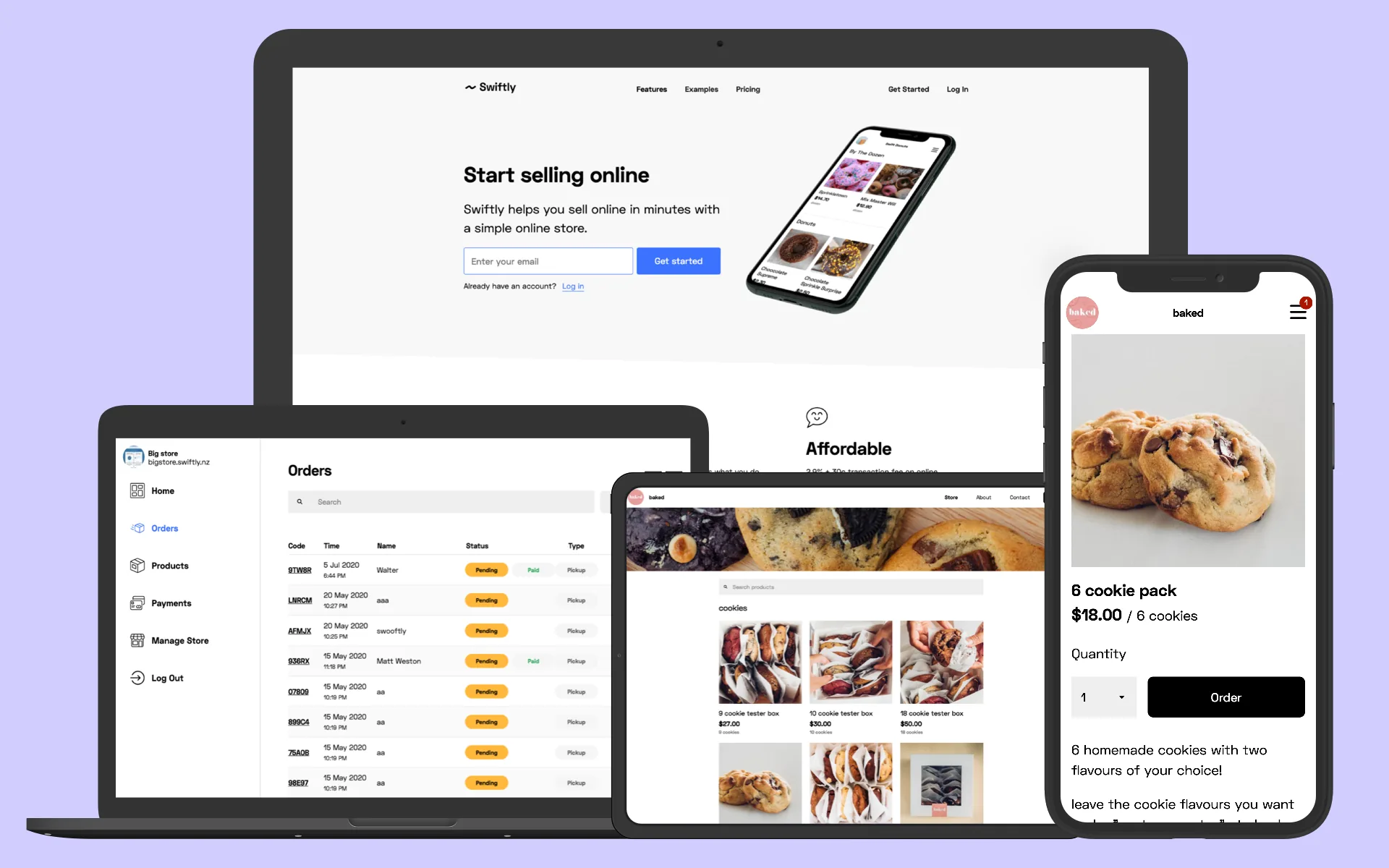
Swiftly is a simple web app that helps small stores start selling online in minutes. Was responsible for UX research, design, and frontend in a team of three. Originally built in 48 hours for a hackathon.
Challenge
During the 2020 COVID lockdown, I got together with two friends as a product team and we used our skills to make ecommerce easier for fellow kiwis at the Hack the Crisis hackathon.
Response
- We designed and built a working ecommerce system with inventory management and invoicing in 48 hours with three people.
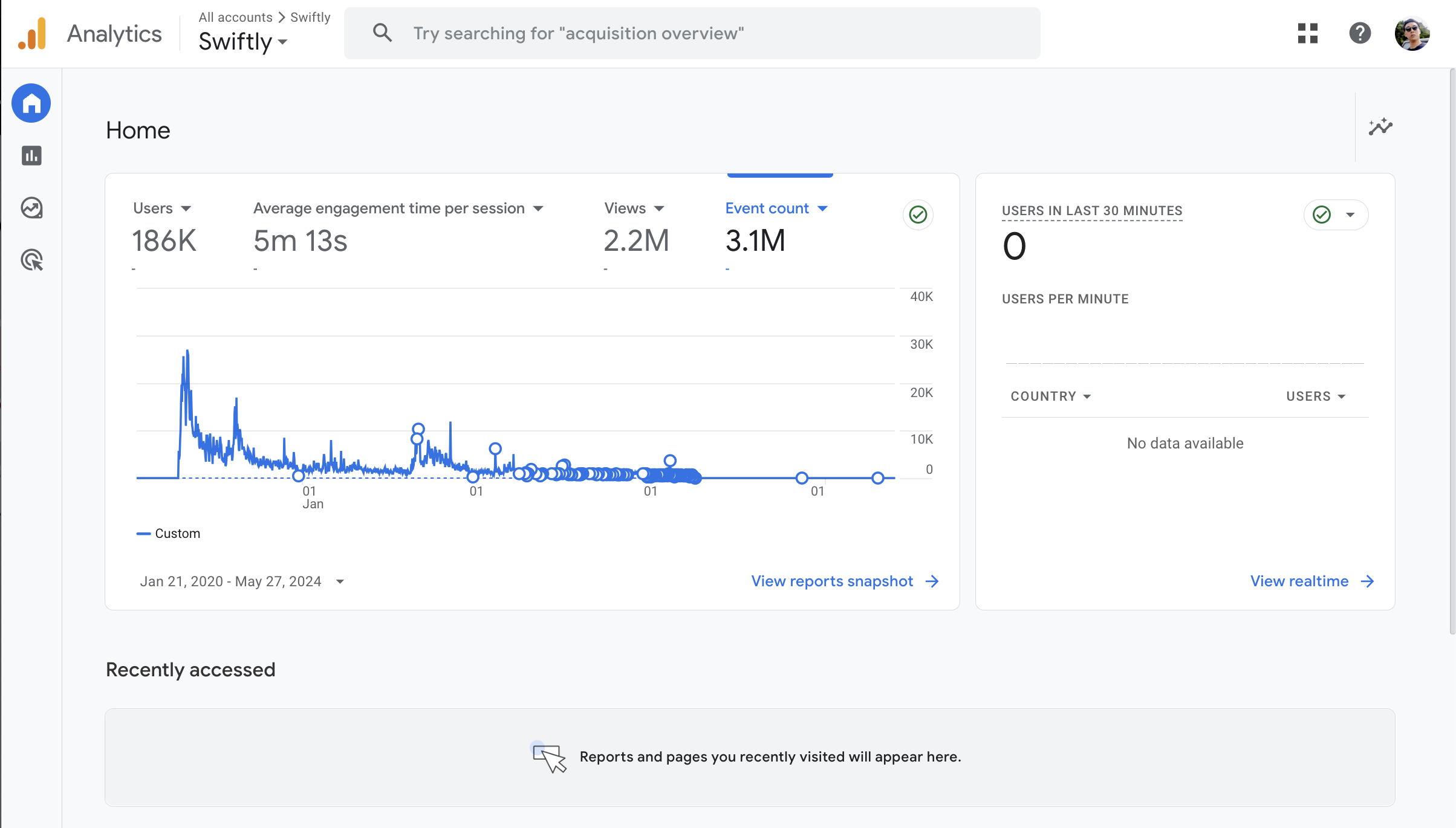
- We helped 1,200+ small local businesses earn revenue as COVID restrictions affected trade in New Zealand during the lockdowns.
- GMV of over $700,000 NZD
Impact
From idea to launch
Local businesses on Swiftly
NZD in earnings
Orders fulfilled
Unique users
Pageviews served
Initial steps
We started by choosing a hypothesis: "How hard is it to sell online?"
The entire team performed quick & dirty ethnographic research remotely with small businesses, as well as usability testing on competing products. It turns out that only half of our surveyed businesses were able to sell online, and many small businesses struggled with incumbent offerings.
One of the participants took hours to create a Shopify store, and many participants ended up either failing to complete the test, or quitting in frustration. To avoid contamination, we told them nothing about our hypothesis, and that we were just interested in how they ran their businesses during COVID.
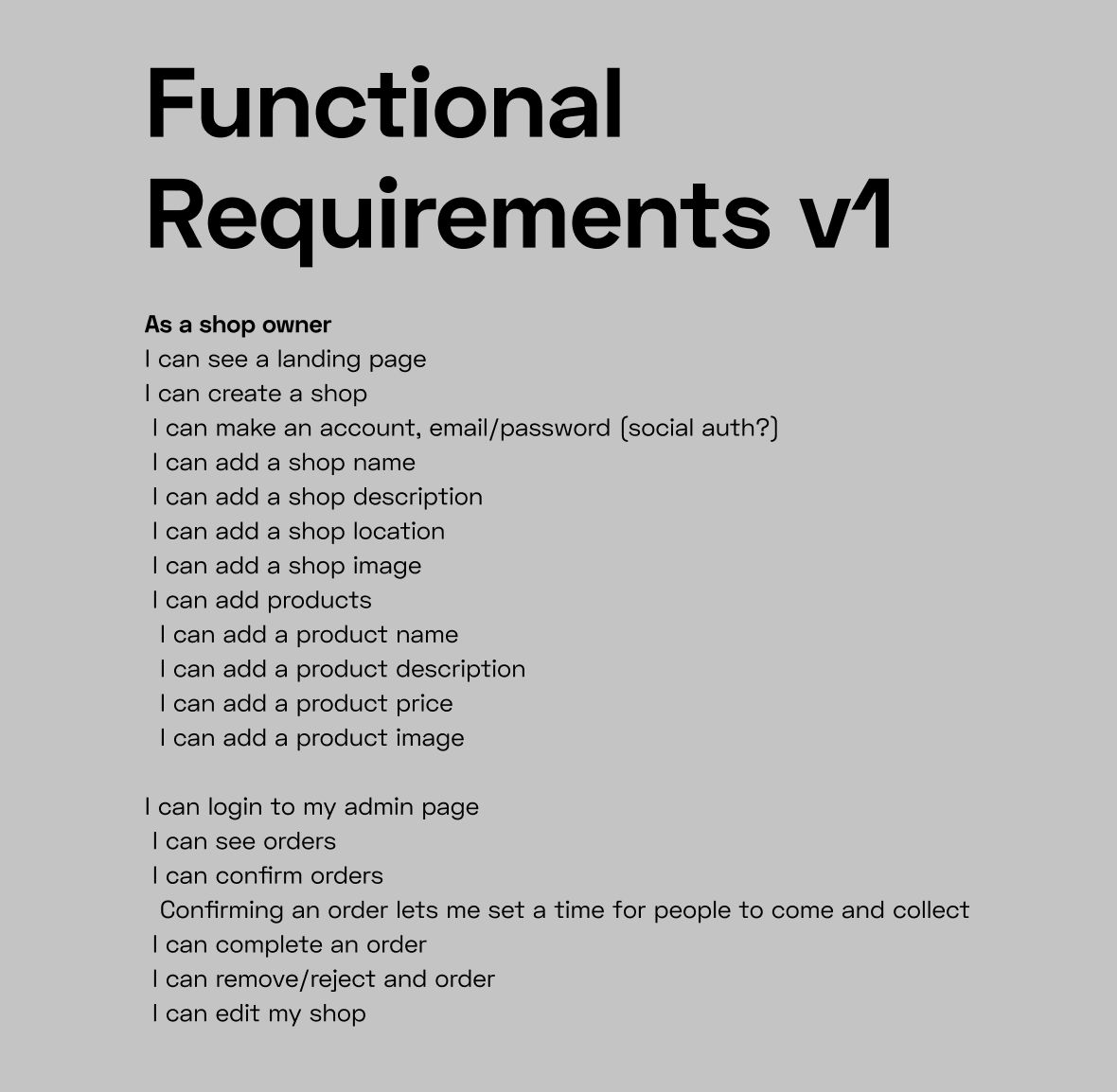
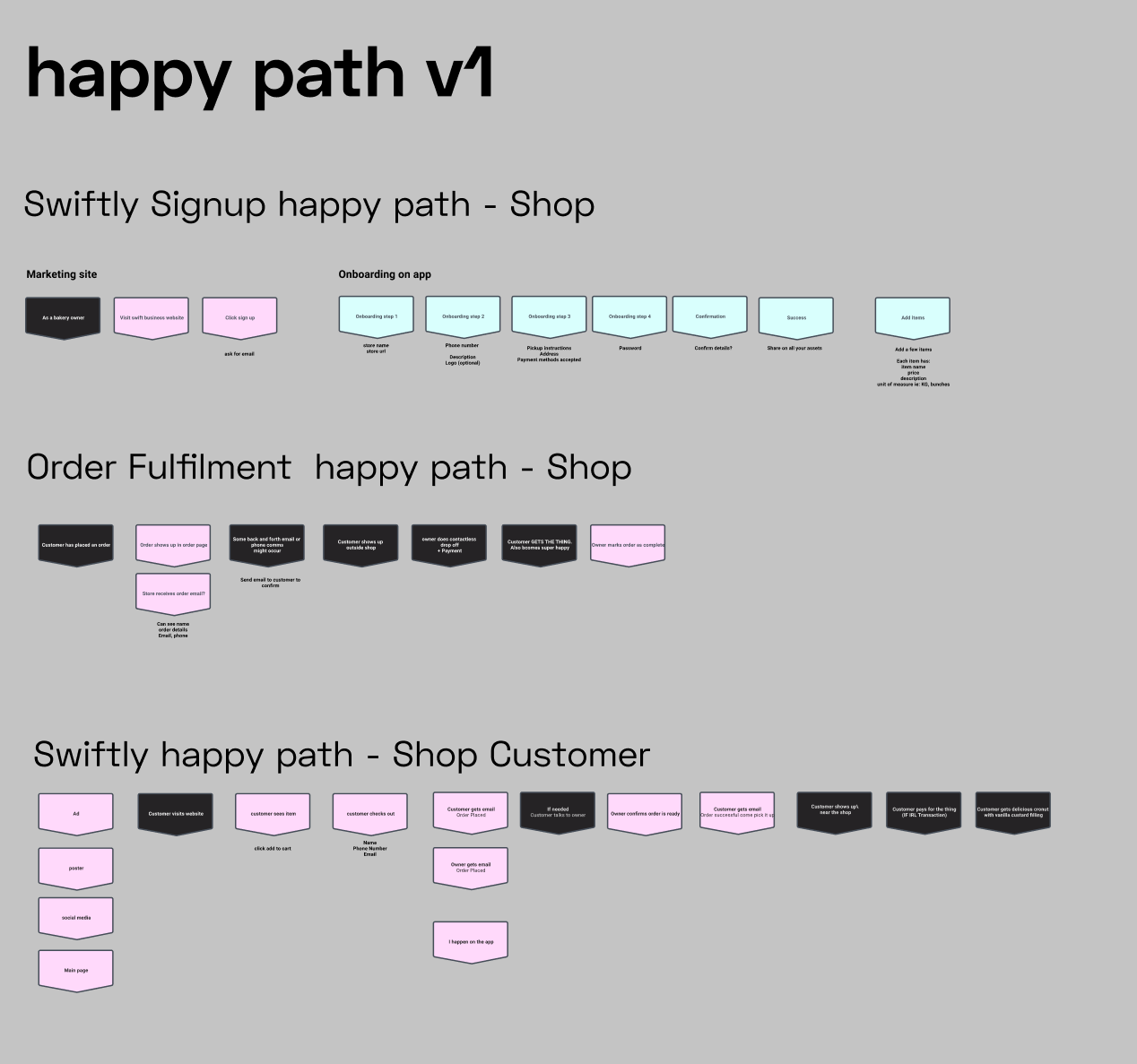
As a team, we then synthesized the research into user needs, which were then mapped into functional requirements, user flows and a sitemap. The fact that we also had to legally comply with lockdown requirements also added additional constraints to design and development.
We then mapped out the data into a simple schema, and split the work responsibilities between functionality and markup so that development could begin as barebones functionality while I fleshed out the rest of the user flows and design.
Lo-fi prototyping
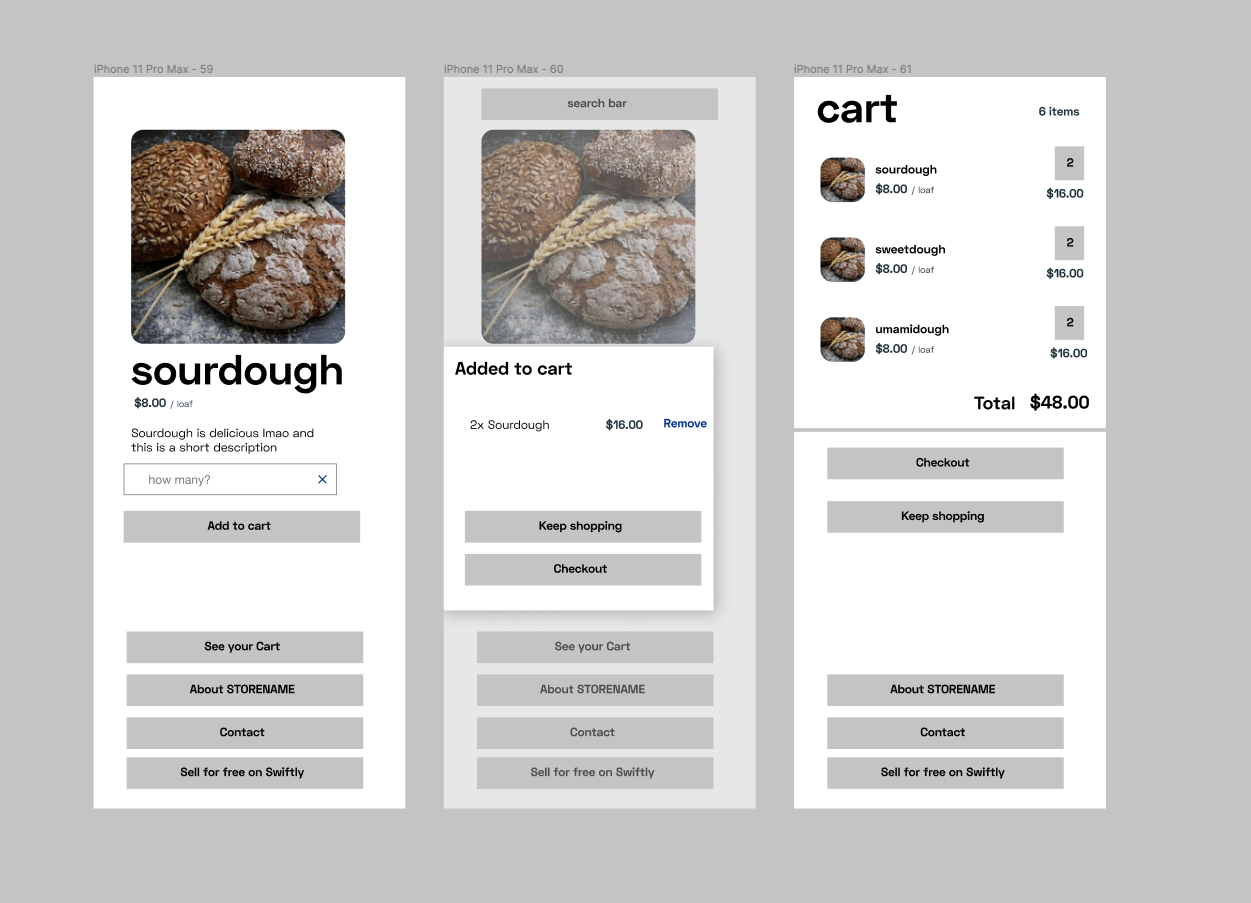
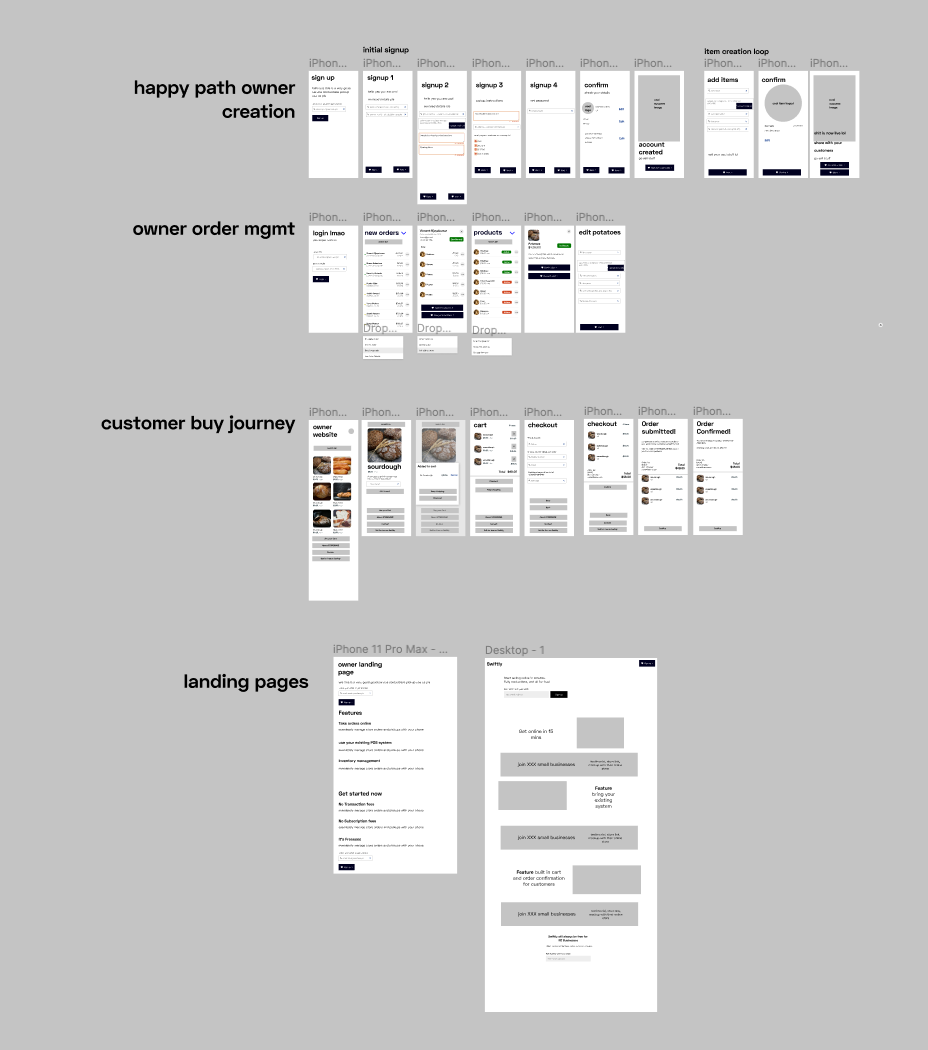
To keep things in sync as a remote team, we livestreamed the designs as they were being mocked and collaboratively proposed designs to each other as the wireframes developed. Lo-fi designs that only demonstrated the happy path as well as expected behavior were explored, and subsequently developed in parallel as the high fidelity designs were put together.
Hi-fi prototyping
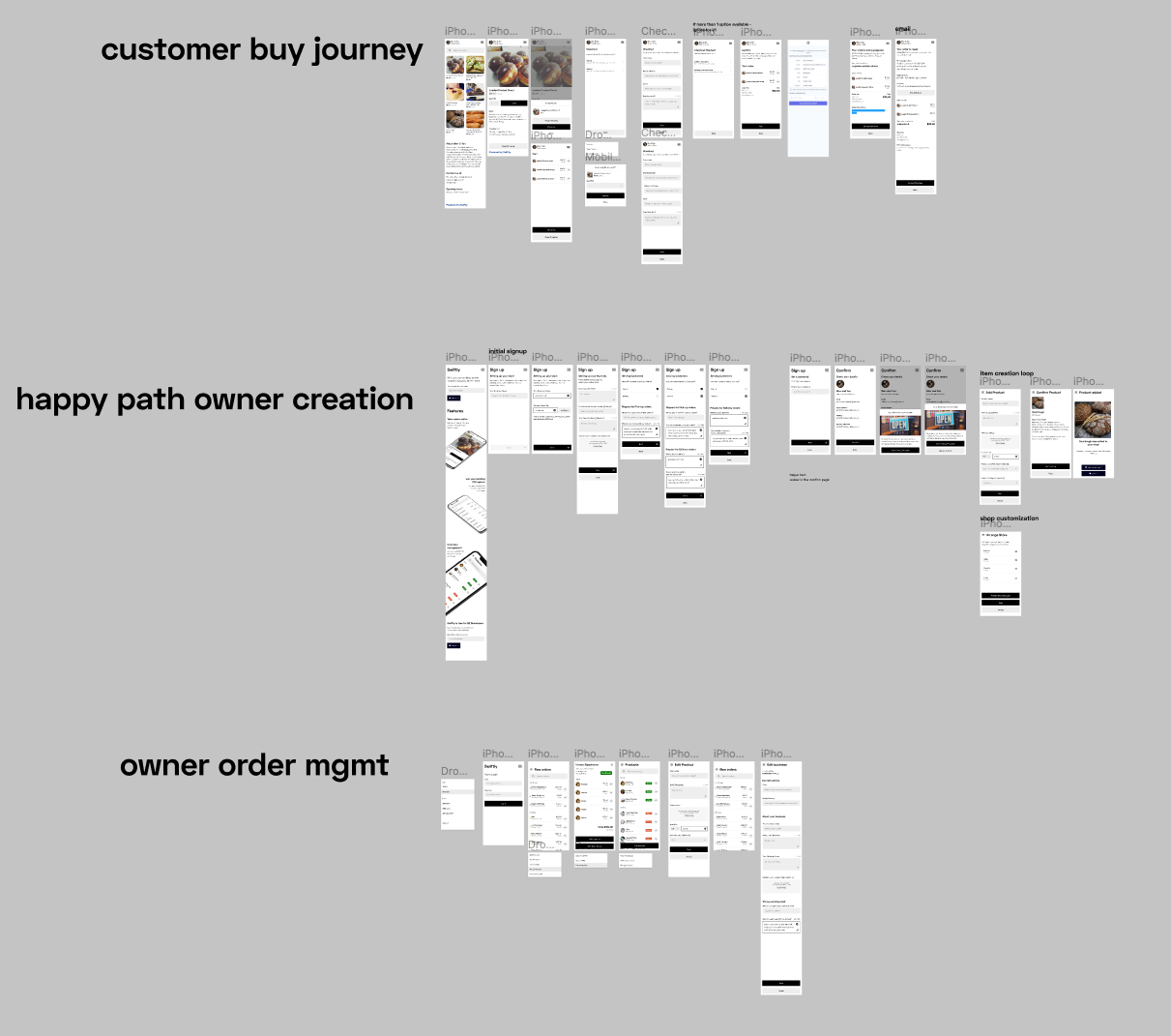
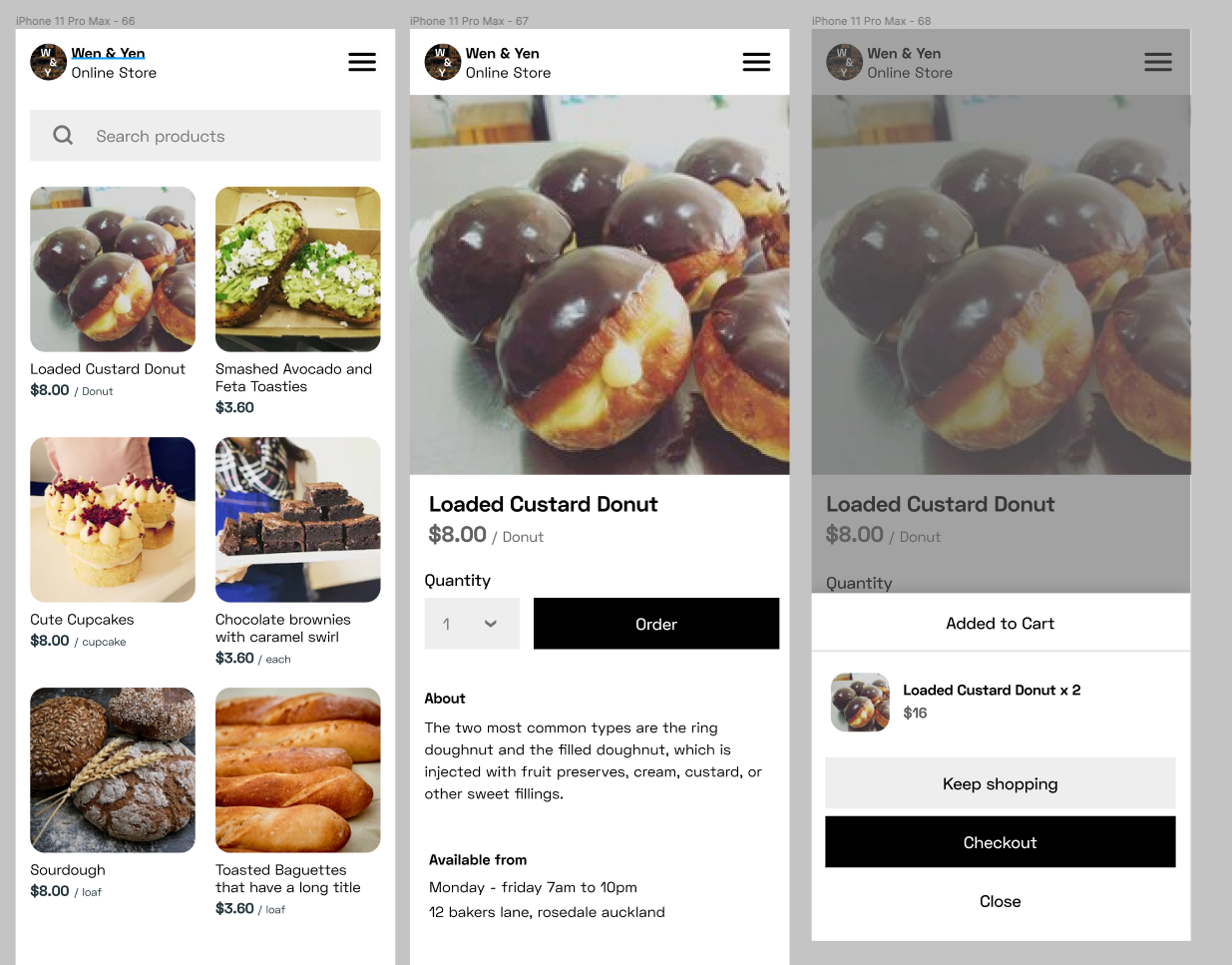
By the time the functionality was built with barely any CSS markup, the high fidelity designs were done. Given that we only had 48 hours to ship, I made extensive use of Uber's Base Web component library to save time and not have to deal with tricky components like complex inputs. After completing the hi-fi designs, I joined the rest of the team on development by writing frontend code and polishing bits of the user flows that needed attention.
Frontend development
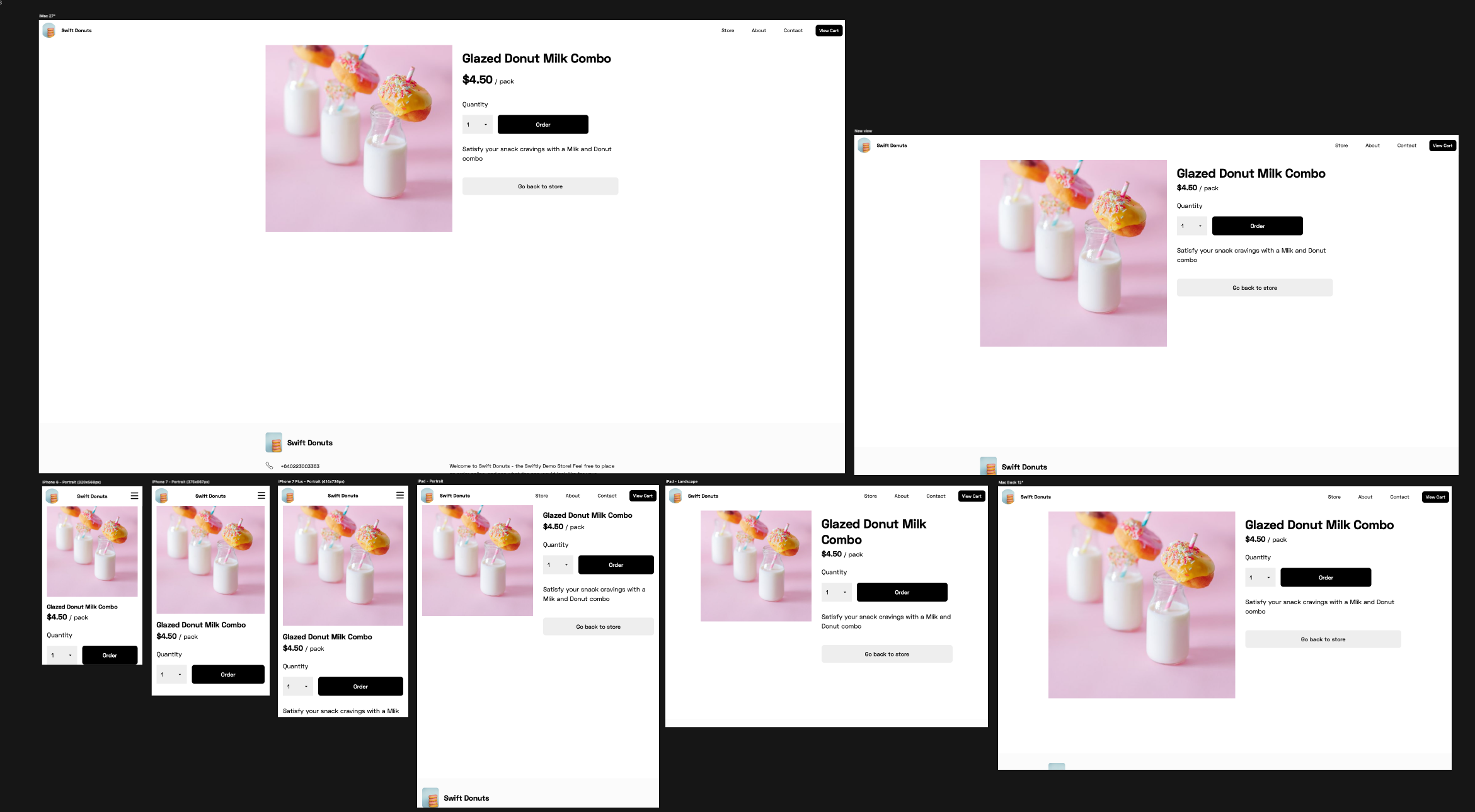
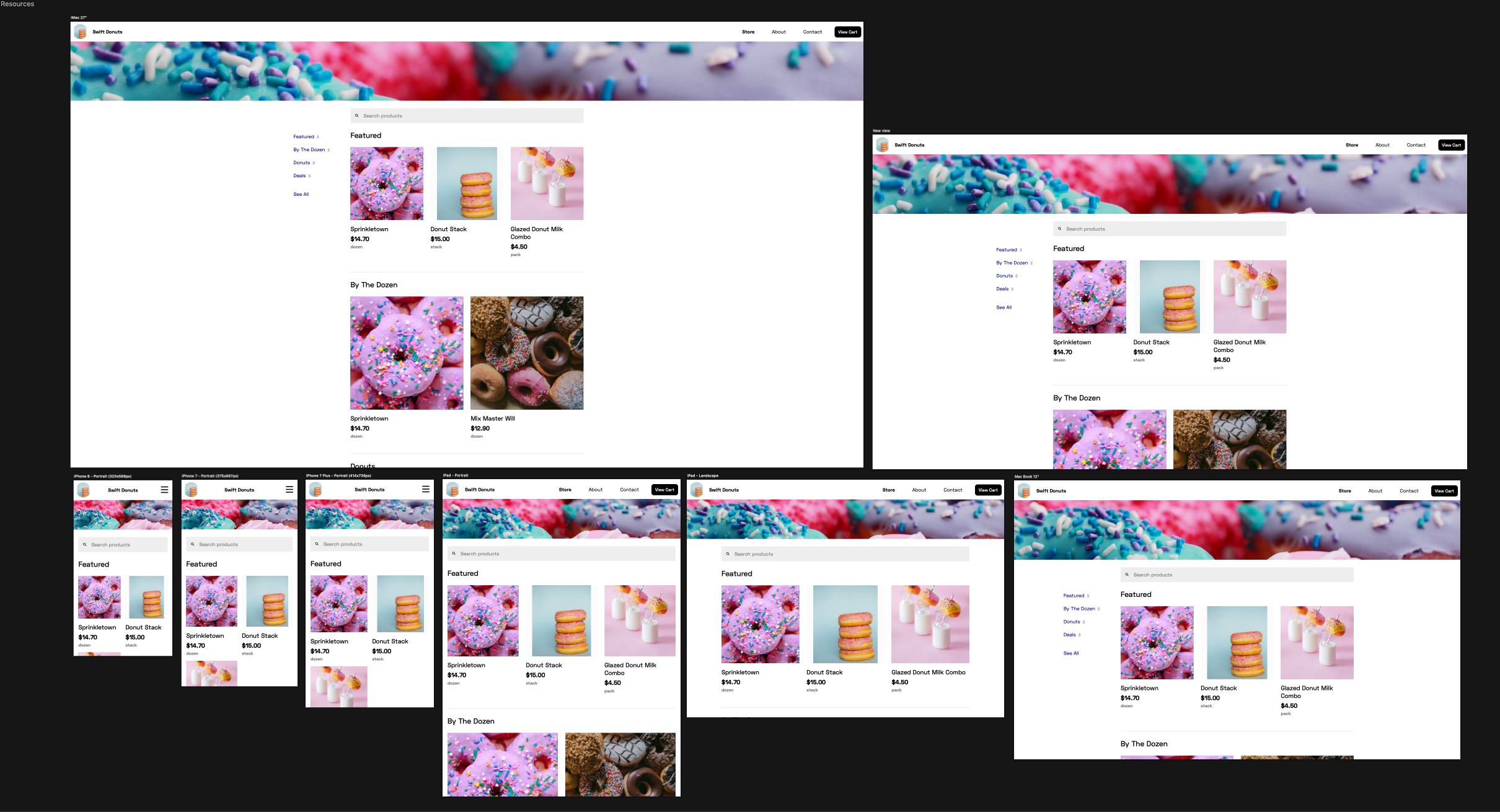
Most of my remaining time was spent writing react components, and cleaning up how components behaved responsively. I usually pair a tool called Solis with Visual Studio Code to review responsive behavior in real time.
Post-launch
An hour after we launched Swiftly, we had ten organic signups. After a week, we had about 200. To date, we helped 1,200+ stores earn over $700,000 in revenue. The service was shut down in February 2023 as it served its purpose.